


 English
 中文
中文
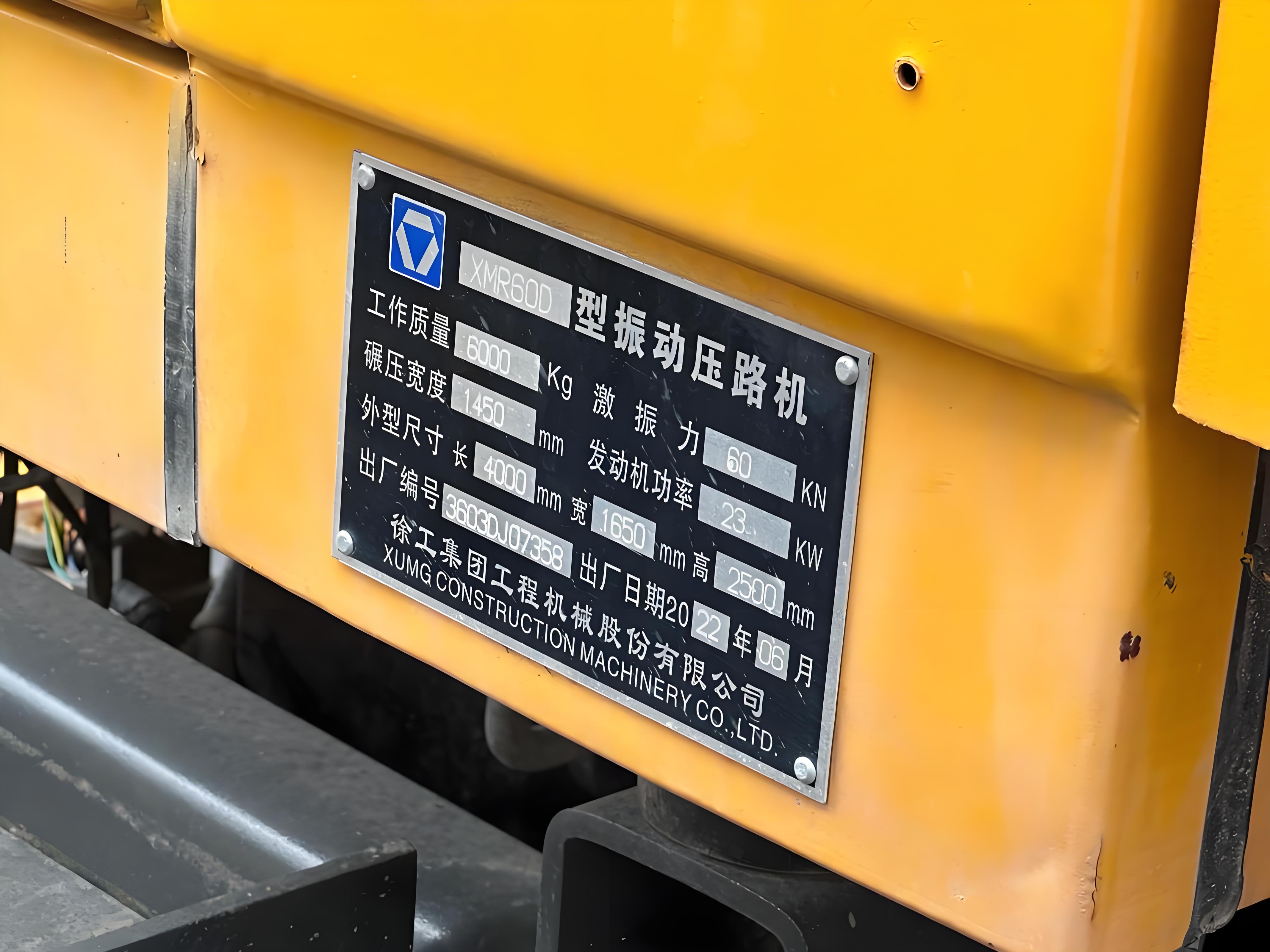
the making process of nameplate
I. General Metal Nameplate Manufacturing Process (taking the flat exposure method as an example)
Suitable for indoor equipment, small appliances, and other non-outdoor scenarios. The process is mature and relatively low-cost.
1. Cutting – Use metal substrates such as aluminum or stainless steel. The blank size should be at least 5mm larger than the design drawing to ensure a flat and dent-free surface.
2. Pretreatment – Polish, brush, oxidize, or degrease the metal surface to improve adhesion.
3. Water sealing – Immediately immerse the treated plate in water to isolate it from air and prevent oxidation from affecting the photosensitive effect.
4. Coating with photosensitive glue – Prepare the glue (200–230g glue + 1000ml water, boil for 2 hours, cool to 30–50°C, add 25–30g ammonium dichromate). Apply evenly and dry.
5. Vacuum exposure – Use an SB750 vacuum exposure machine with a lamp distance of 60–90cm, exposure time 40–80 seconds, to transfer the design onto the metal plate.
6. Developing and dyeing – Develop in warm water for 1 minute, then place in a dye solution to form colored graphics.
7. Protective coating – After drying, apply a protective varnish (e.g., “Eye Brand” baking paint or non-baking protective varnish).
8. Shearing and shaping – Cut to final dimensions to complete the nameplate.
Advantages: short cycle time (2–4 hours), low reject rate.
Disadvantages: poor weather resistance, not suitable for long-term outdoor exposure.
II. Brief description of other mainstream processes
· Etched nameplate – Three-step process: masking → etching → post-treatment. Can produce raised or recessed lettering. Suitable for stainless steel, copper, etc. High durability.
· Screen-printed nameplate – Screen printing resin ink onto the metal surface, then laminate or apply a protective coating. Suitable for color patterns, widely used in home appliances and electronic devices.
· Thermal transfer nameplate – Print the pattern on special paper, then heat-transfer onto the metal surface. Supports luminous and multi-layer structures. Often used for flexible carriers such as clothing tags.
· Sandblasted nameplate – Cover the metal plate with computer-cut adhesive film, sandblast to form a matte effect, then oxidize to achieve a sand-gold texture.
III. Non-metal nameplate (e.g., acrylic) manufacturing process
· Material: acrylic sheet.
· Process: laser engraving or vacuum forming.
· Characteristics: lightweight, good light transmission, often used for signs, door plates, etc.
IV. Design and standard considerations
· Design phase: Vector software such as CorelDRAW is recommended to ensure clear graphics suitable for subsequent processes.
· Comply with standards: Domestic production should refer to the national recommended standard “Signs” (GB/T 13306-2011).
· Environmental trends: Modern processes gradually adopt laser processing, water-based inks, and other environmentally friendly alternatives to traditional chemical etching.
also there are some more advanced and precise information in light of the latest industry trends.
Emerging process: Electroformed nameplate
This is a high-precision process capable of producing very fine raised or recessed patterns. It has significant advantages in dimensional tolerance (e.g., as low as ±0.02mm) and surface roughness (Ra0.1–0.8μm).
Additional details on mainstream processes
· Flat exposure method – Requires water sealing as a first step. The process sequence is: apply photosensitive glue → dry → expose → develop → dye → protective coating.
· Etching method – Nowadays, more emphasis is placed on film negative quality and surface treatment (e.g., surface roughness ≤0.4μm). Core steps: cleaning → apply photosensitive glue → expose & develop → chemical etching → film stripping.
· Screen printing method – Note that the minimum font size is recommended to be ≥2mm, and line width ≥0.3mm to avoid broken lines.
· Thermal transfer method – High-end processes require layered printing of the protective layer, pattern layer, luminous layer, etc., up to 5 layers in sequence.
· Sandblasting method – In addition to computer-cut adhesive film, high-pressure jetting of aluminum oxide particles or glass beads can also be used to achieve a matte finish.
Applicable standards and environmental protection
· National standard – Mainly refer to GB/T 13306-2011 “Signs”. Some specific industries (e.g., civil air defense) may have more detailed requirements.
· Environmental trends – The industry is improving waste liquid recovery technologies and adopting laser processing, water-based inks, etc., to reduce chemical pollution from traditional processes.